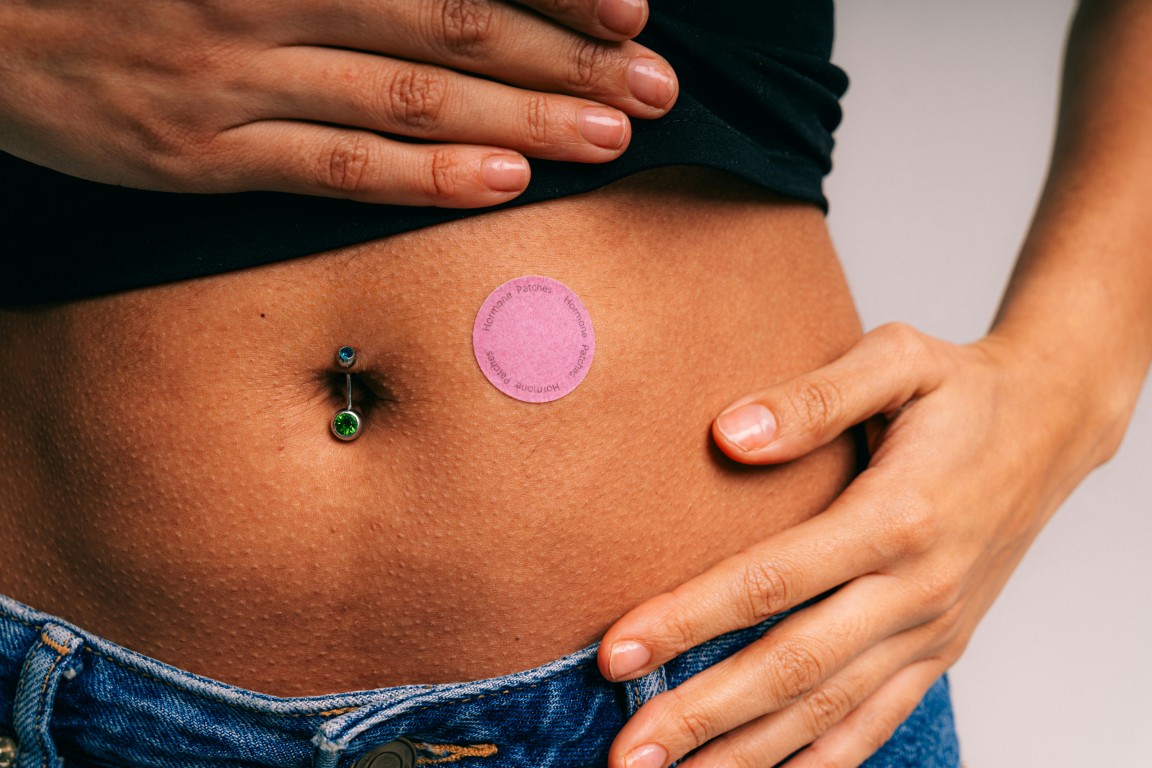
An estradiol patch is a thin adhesive patch worn on the skin that delivers estradiol into the bloodstream over time. Estradiol is the primary form of estrogen produced by the ovaries before menopause, and the patch provides it through a transdermal delivery system.
The patch is commonly prescribed for people in perimenopause or menopause who are dealing with hot flashes, night sweats, or other symptoms related to declining estrogen. Certain estradiol patch products are also used for vulvar and vaginal symptoms of menopause and for prevention of postmenopausal osteoporosis when appropriate.
Common brand names include Climara, Vivelle-Dot, Minivelle, and Menostar. Some patches are changed once weekly, while others are changed twice weekly, depending on the specific product and prescription.
For someone who has just been prescribed a patch, the important point is that it is a steady-dose estrogen therapy. It is designed to release medication continuously during the time it is worn, rather than being taken as a daily pill.
The patch is not simply a different way to take the same hormone. How estradiol enters the body changes how it is processed.
Oral estrogen passes through the digestive system and liver before it circulates widely. That first-pass liver metabolism can influence clotting factors, triglycerides, and other metabolic markers.
A transdermal patch bypasses that first-pass process. Estradiol is absorbed through the skin and moves directly into the bloodstream.
That difference is clinically meaningful. ACOG has noted that oral estrogen may have a prothrombotic effect, while transdermal estrogen appears to have little or no effect on prothrombotic substances.
This does not mean the patch is risk-free. It means the route of delivery may be part of the provider’s decision-making, especially for patients with individual risk factors that make oral estrogen less appealing.
The patch can also provide steadier hormone exposure than a daily pill. Instead of a daily rise and fall after each dose, the patch releases estradiol gradually over its wear period.
For some patients, that steady delivery may help reduce symptom fluctuation. For others, dose, timing, and symptom response still need adjustment with a clinician.
Estradiol patches are usually applied to clean, dry skin on the lower abdomen or upper buttock, depending on the product instructions. They should not be applied to the breasts, irritated skin, broken skin, or areas where tight clothing will rub.
Skin products can also interfere with adhesion. Oils, powders, lotions, and heavy moisturizers may keep the patch from sticking properly.

Application sites should be rotated each time a new patch is used. The same area generally should not be reused for at least one week, which helps reduce skin irritation.
After placing the patch, it should be pressed firmly so the edges attach well. Patients should follow the instructions that come with their specific prescription, because patch schedules can differ by brand and formulation.
Twice-weekly patches are commonly changed every three to four days. Once-weekly patches are usually changed on the same day each week.
If a patch loosens or falls off, the product instructions should guide the next step. In many cases, it can be reapplied if it still sticks, but a new patch may be needed if the adhesive no longer works.
Normal bathing, swimming, and exercise are usually compatible with estradiol patches. Even so, patients should check the patch after activity to make sure it remains attached.
Symptom relief does not always happen immediately. Many patients notice improvement in hot flashes or night sweats within the first several weeks, but the full response may take longer.
Vaginal or urinary symptoms may respond more slowly. In some cases, a clinician may discuss local vaginal estrogen or other targeted options if those symptoms remain the primary concern.
Common early side effects can include breast tenderness, headache, nausea, and irritation where the patch sits on the skin. These effects may improve as the body adjusts, but persistent or concerning symptoms should be discussed with a provider.
Skin irritation is one of the more practical issues patients notice. Rotating the site, applying the patch to dry skin, and avoiding friction-heavy areas can help.
Dose adjustments are common in hormone therapy. A clinician may start with a lower dose and adjust based on symptom control, side effects, and the patient’s overall health profile.
Patients who still have a uterus usually need a progestogen along with systemic estrogen. Estrogen alone can stimulate the uterine lining, and progestogen is used to reduce the risk of that stimulation becoming harmful.
That detail is important because the patch only addresses the estrogen portion of treatment. The full regimen depends on whether the patient has a uterus, what symptoms are being treated, and what risks need to be managed.
An estradiol patch may be considered for patients in perimenopause or menopause who have symptoms that interfere with quality of life. Hot flashes, night sweats, sleep disruption, and estrogen-related discomfort are common reasons for discussing treatment.
Timing also matters. The Menopause Society has stated that hormone therapy’s benefits generally outweigh risks for many healthy symptomatic women who are younger than 60 or within 10 years of menopause onset.
That does not mean every patient in that group should use hormone therapy. It means the benefit-risk conversation is often more favorable when treatment starts closer to the menopausal transition.

The transdermal route may be especially relevant for patients who are not ideal candidates for oral estrogen. A provider may consider the patch when clotting risk, triglyceride concerns, or other metabolic factors make route of delivery important.
Some patients should avoid systemic estrogen or require more specialized evaluation. A history of certain cancers, unexplained vaginal bleeding, active liver disease, blood clots, stroke, or heart attack can change the safety discussion.
This is why self-selection is risky. Even when the patch looks simple, it is still systemic hormone therapy and should be managed with medical guidance.
The estradiol patch is one tool within a broader women’s health conversation. It can address the hormonal driver of certain menopause symptoms, but it is not the only part of care.
Sleep, nutrition, exercise, stress, and preventive screening all shape how patients feel during the menopausal transition. Hormone therapy works best when it fits into that larger picture rather than being treated as a standalone solution.
The delivery method is also part of the broader plan. Some patients may do well with an oral option, while others may benefit from a transdermal approach.
Telehealth has made these conversations easier to access for many patients. Someone who does not have a local menopause specialist may still be able to speak with a provider who regularly manages HRT.
That matters because the right regimen is individual. Symptoms, medical history, uterus status, risk factors, and patient preference all affect the final recommendation.
The estradiol patch offers a convenient way to deliver estrogen through the skin. For many patients, that route is appealing because it provides steady hormone delivery while avoiding first-pass liver metabolism.
The key is understanding what the patch can and cannot do. It may help control menopause-related symptoms, but it still carries risks and still needs to be matched to the patient’s health profile.
Patients should know how to apply it, when to change it, what side effects to watch for, and when to contact their provider. They should also understand whether a progestogen is needed as part of the regimen.
Used appropriately, the estradiol patch can be a clinically effective part of menopause care. The best outcomes come from pairing the treatment with clear instructions, ongoing follow-up, and a provider who can adjust the plan as the patient’s needs change.